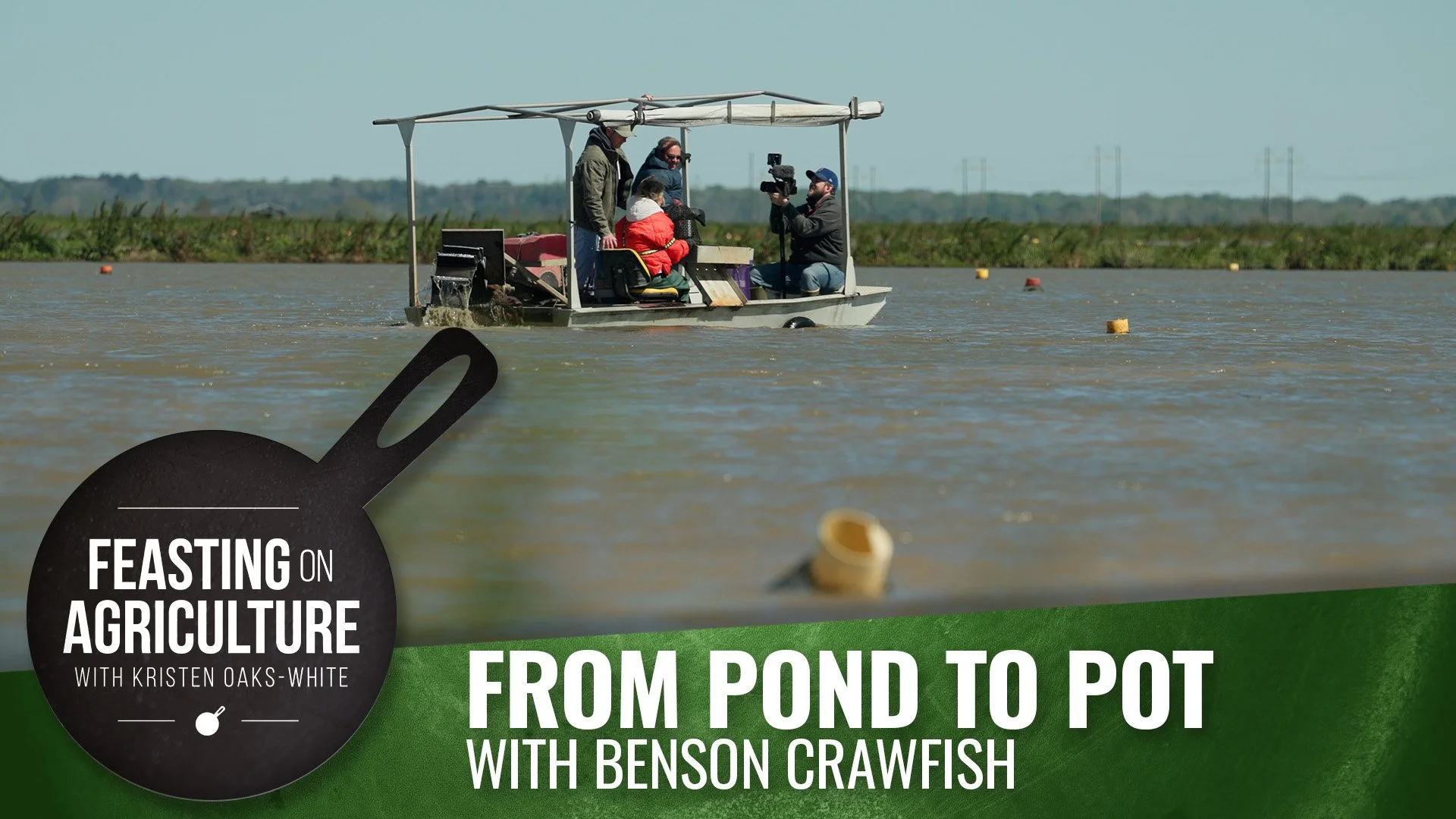
From Pond to Pot -- Where Crawfish Season Begins
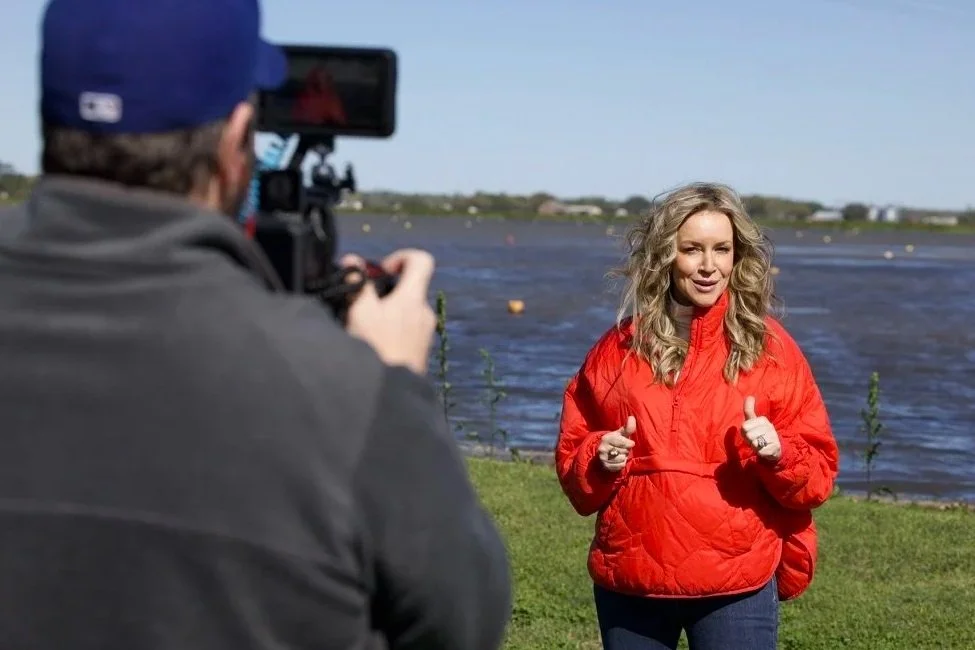
By Kristen Oaks-White
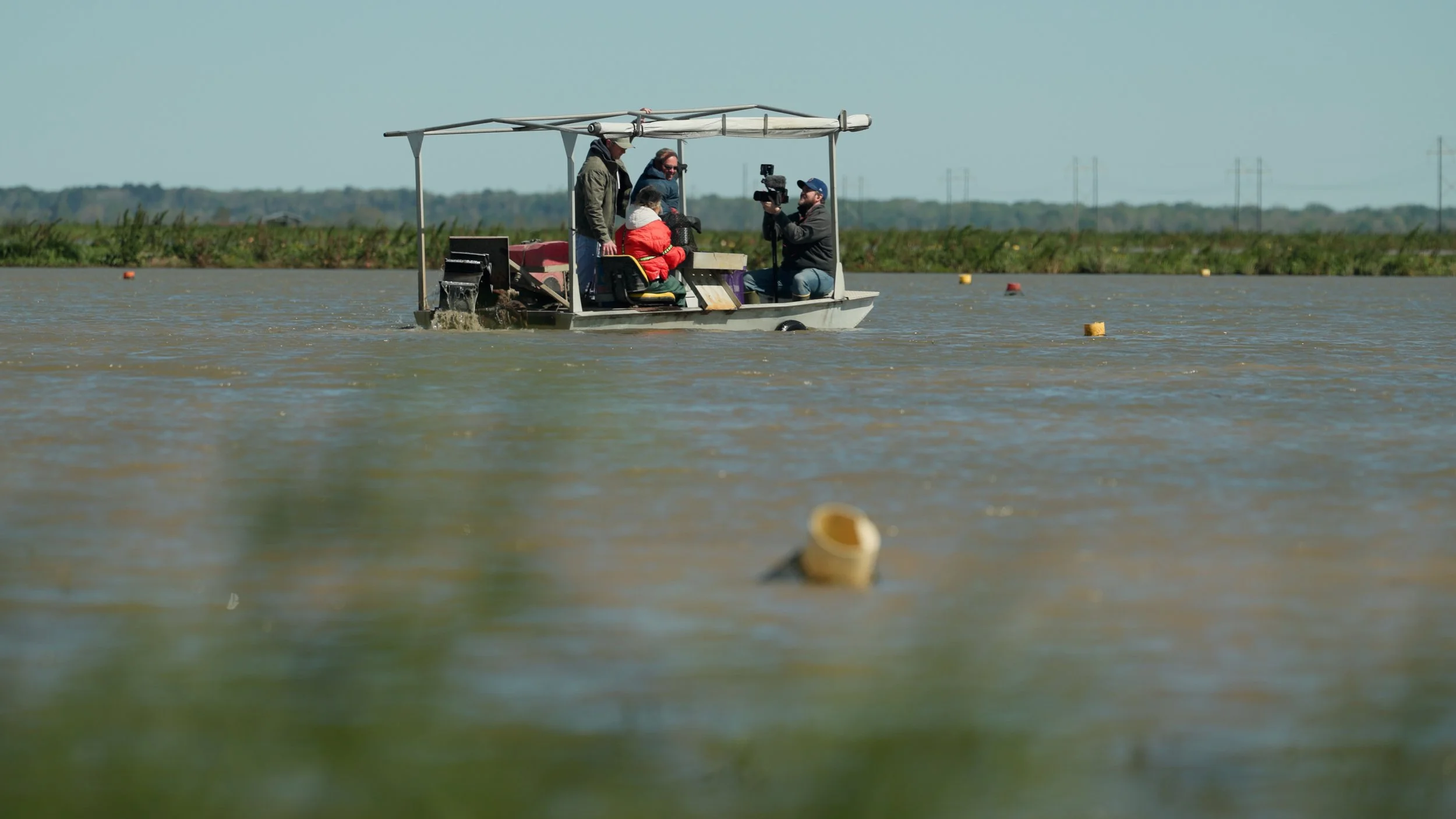
VILLE PLATTE, La. — In south Louisiana, crawfish season is often associated with good times—backyard boils, laughter and tables piled high with steaming mudbugs.
But long before crawfish make it to the table, there’s a different story playing out.
And on this day, it’s one that begins in the cold.
On a blustery March morning in Ville Platte, the reality of crawfish farming was on full display. The sun was shining, but the temperature hovered around 45 degrees, with winds that felt like they were whipping at 90 miles an hour.
Despite the conditions, operations at Benson Farm moved forward as usual.
Because in crawfish farming, the work doesn’t stop for the weather.
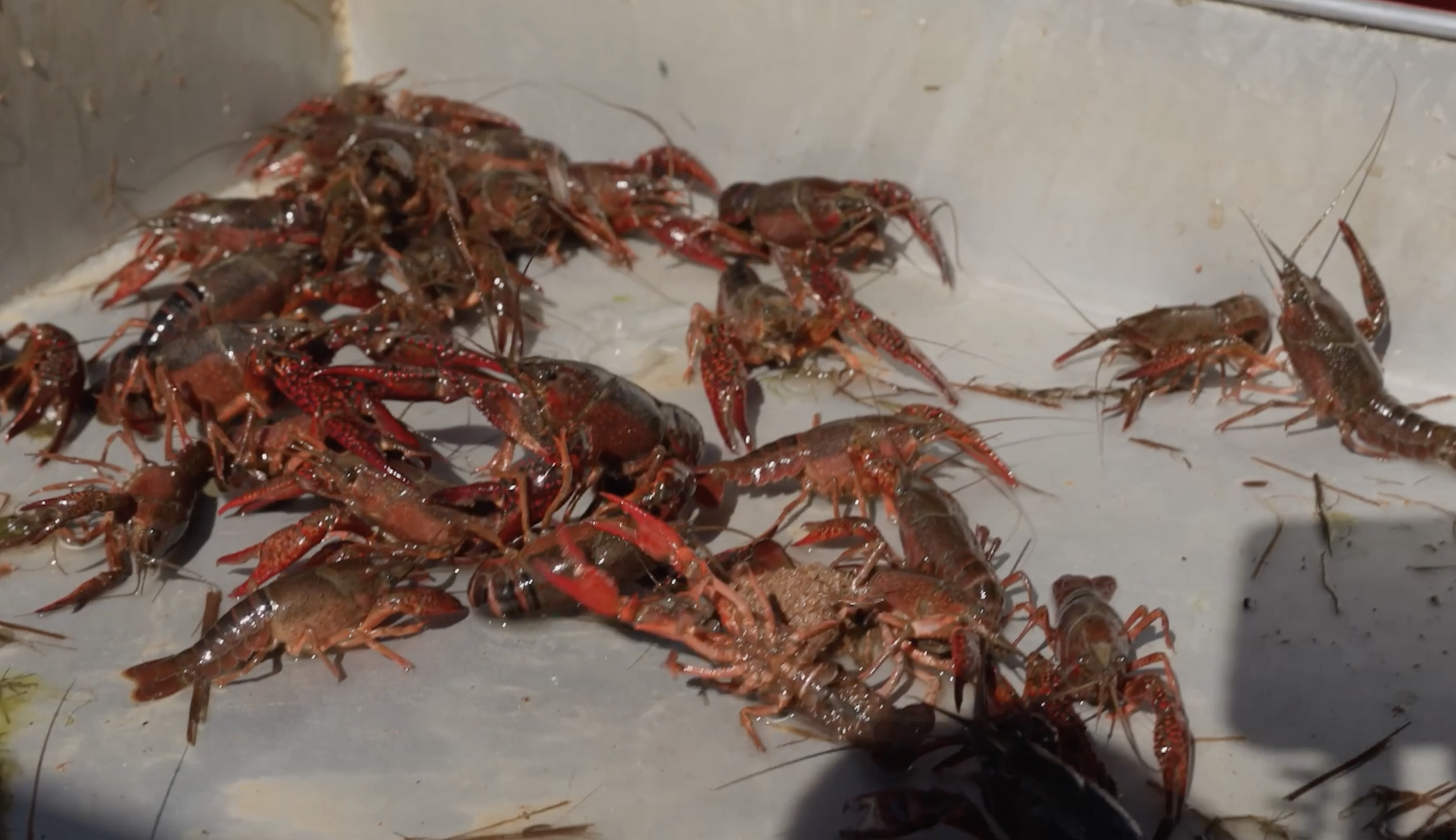
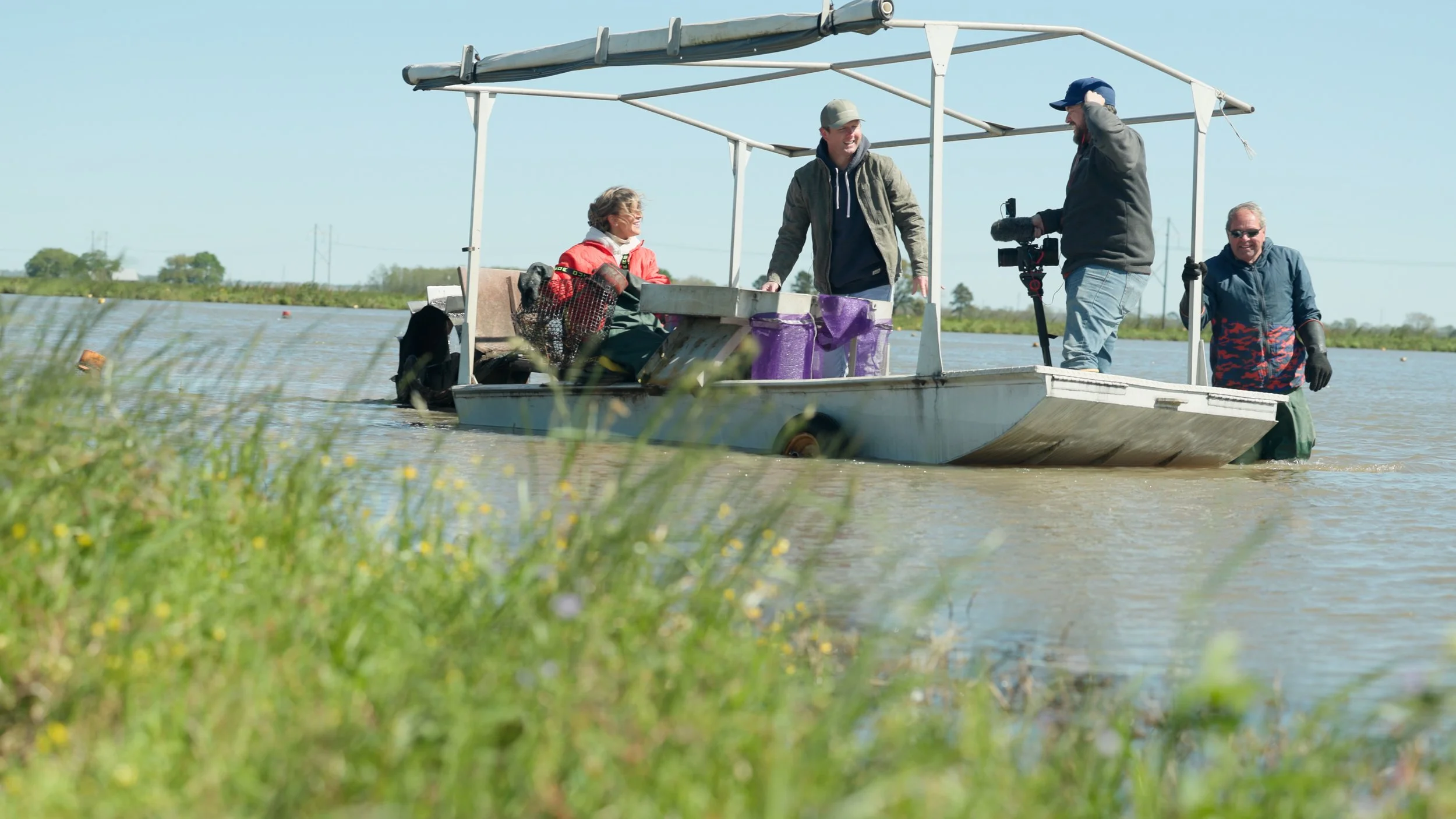
At Benson Farm, owned and operated by Brad Benson and his family, the day begins on the water—running lines of traps across flooded fields. Each trap must be pulled, emptied, rebaited and reset. The process repeats hundreds, sometimes thousands of times in a single day.
It’s a system that requires precision, coordination and endurance.
And as I quickly learned, it’s not as simple as it looks.
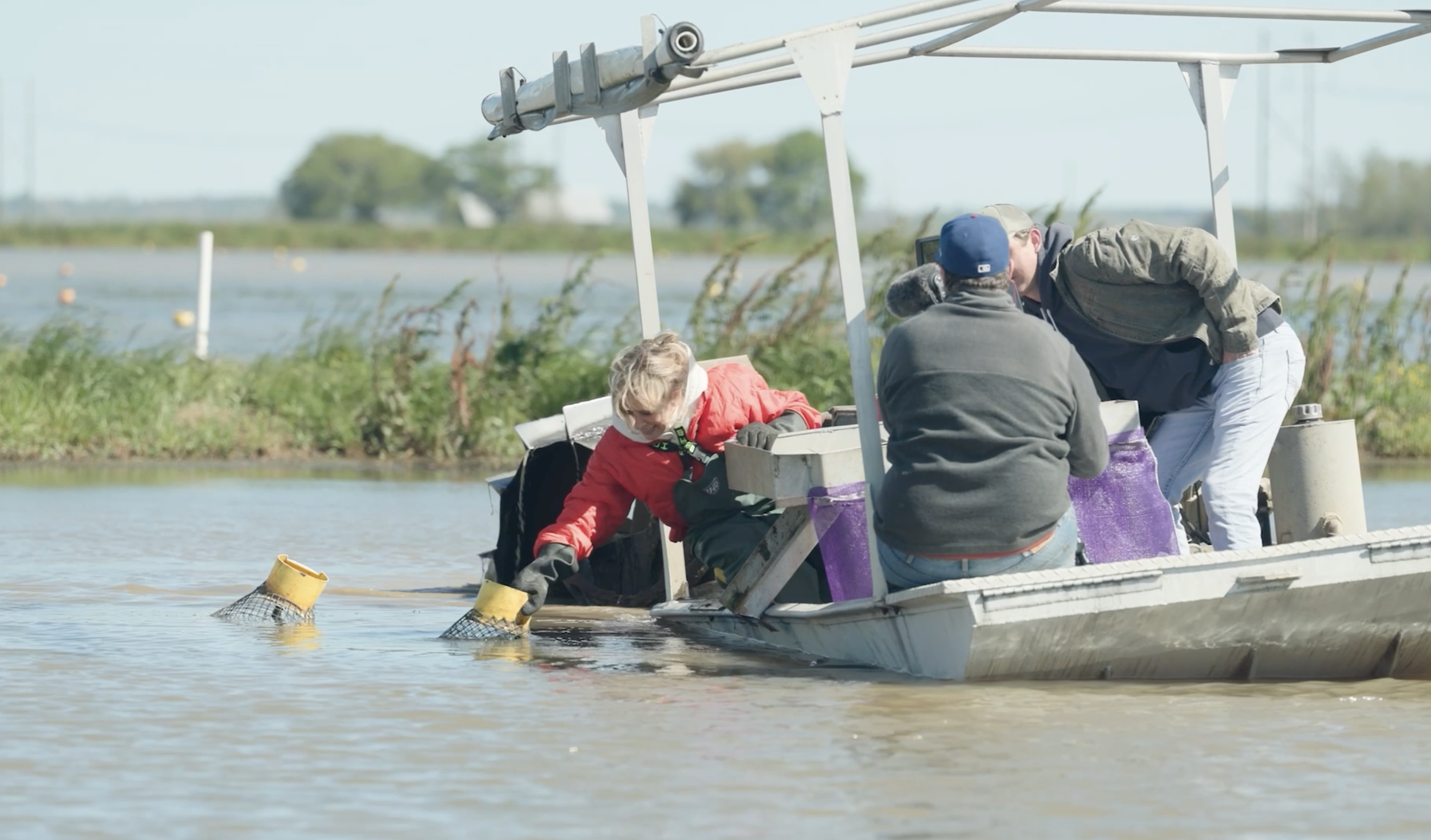
“There’s a rhythm here; it’s like dancing,” Brad explained while guiding me through the process.
Finding that rhythm, however, takes experience.
Crawfish farming is physically demanding work. From maneuvering boats to lifting traps and hauling sacks, every part of the process requires strength and stamina, and it must be done efficiently to keep up with the scale of production.
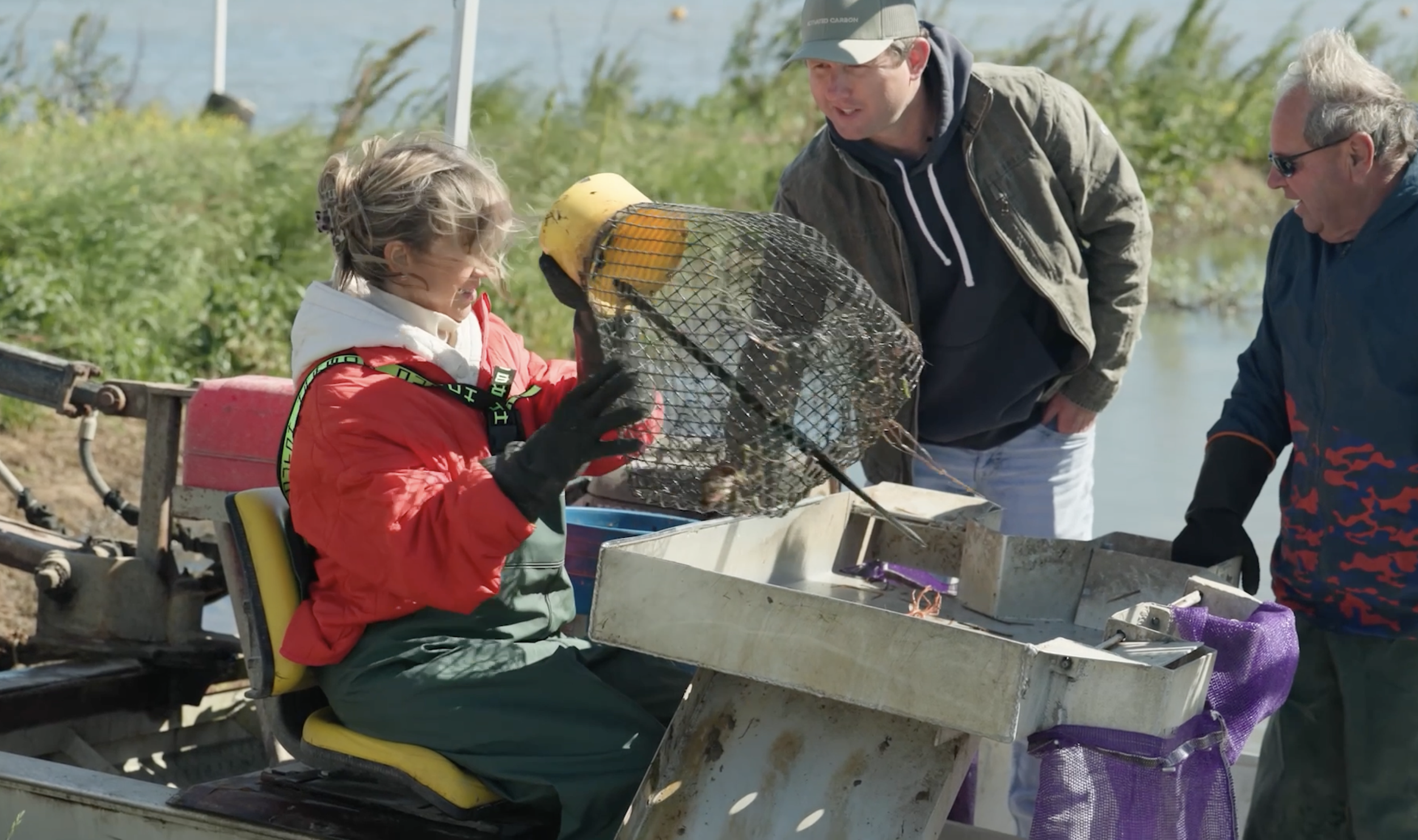
After spending time on the water, one thing becomes clear: this is not work that most people are willing or able to do.
That’s why many crawfish operations rely on foreign H-2A workers. These legal, seasonal workers play a critical role in Louisiana agriculture, providing the labor needed to sustain farms during peak production periods. Their work is essential to keeping operations like Benson Farm running day after day.
Crawfish isn’t just a Louisiana tradition; it’s what’s keeping farms like theirs going.
Crawfish farming is closely tied to Louisiana’s rice industry, with many producers utilizing the same fields for both crops. But in today’s market, rice alone is often not enough.
“All of our profitability is generated from the crawfish right now,” Brad said.
With rising input costs and challenging market conditions, crawfish has become a vital source of income for many producers, helping sustain family farms through uncertain times.
After a long morning in the cold, the focus shifts from harvesting to cooking—an essential part of Louisiana’s crawfish culture.
Now, this is the part Ville Platte is famous for.
Because after all that hard work… they cook. And not just “throw something together” cook. I’m talking next-level, don’t-miss, worth-freezing-for kind of food.
In fact, some of the best meals I’ve ever consumed have come from some of the finest folks in Ville Platte.
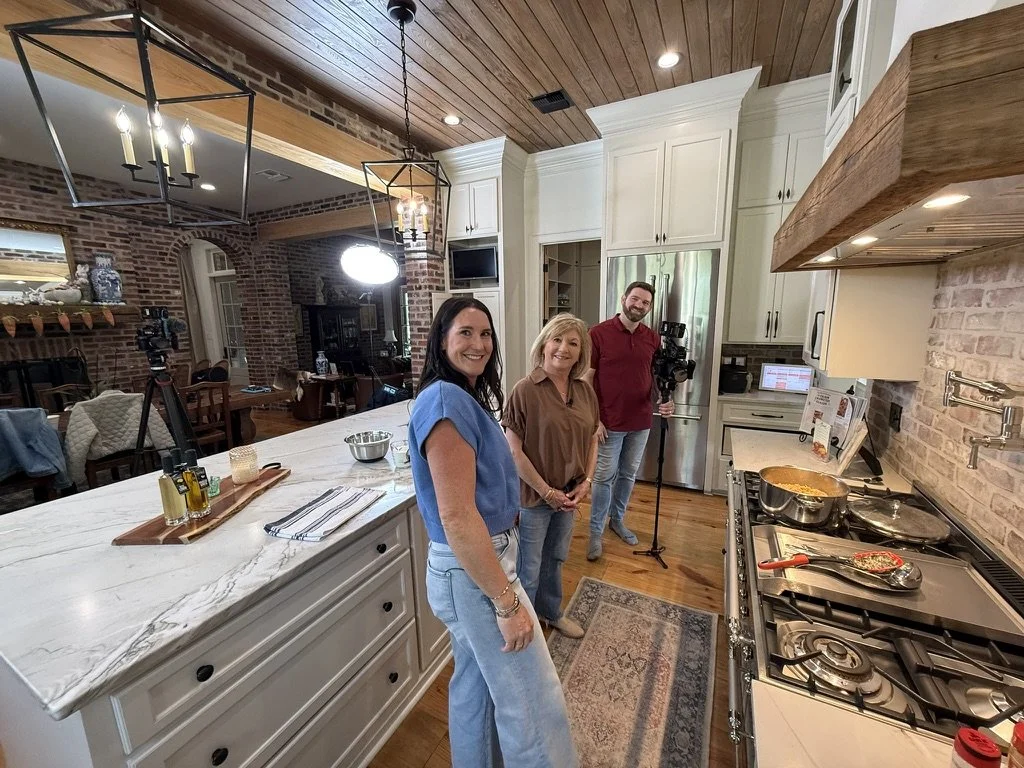
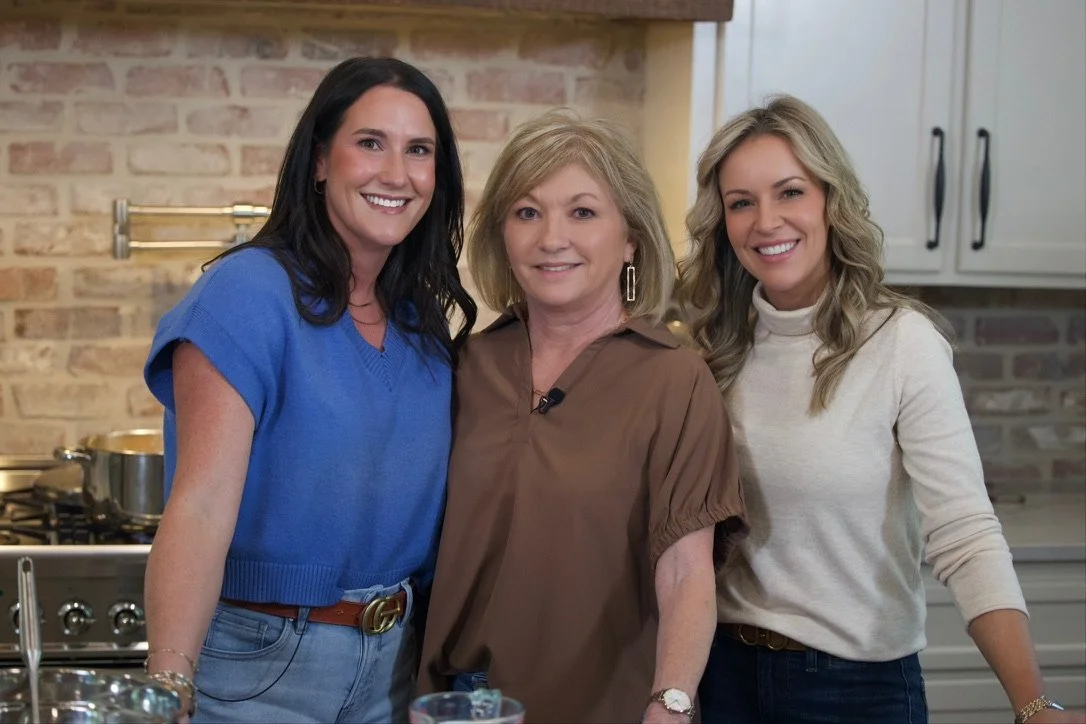
On this day, I was lucky to have one of my best friends—Brad’s wife, Katy—alongside his mother, Becky, helping us showcase some of Ville Platte’s signature cuisine for the cooking segment.
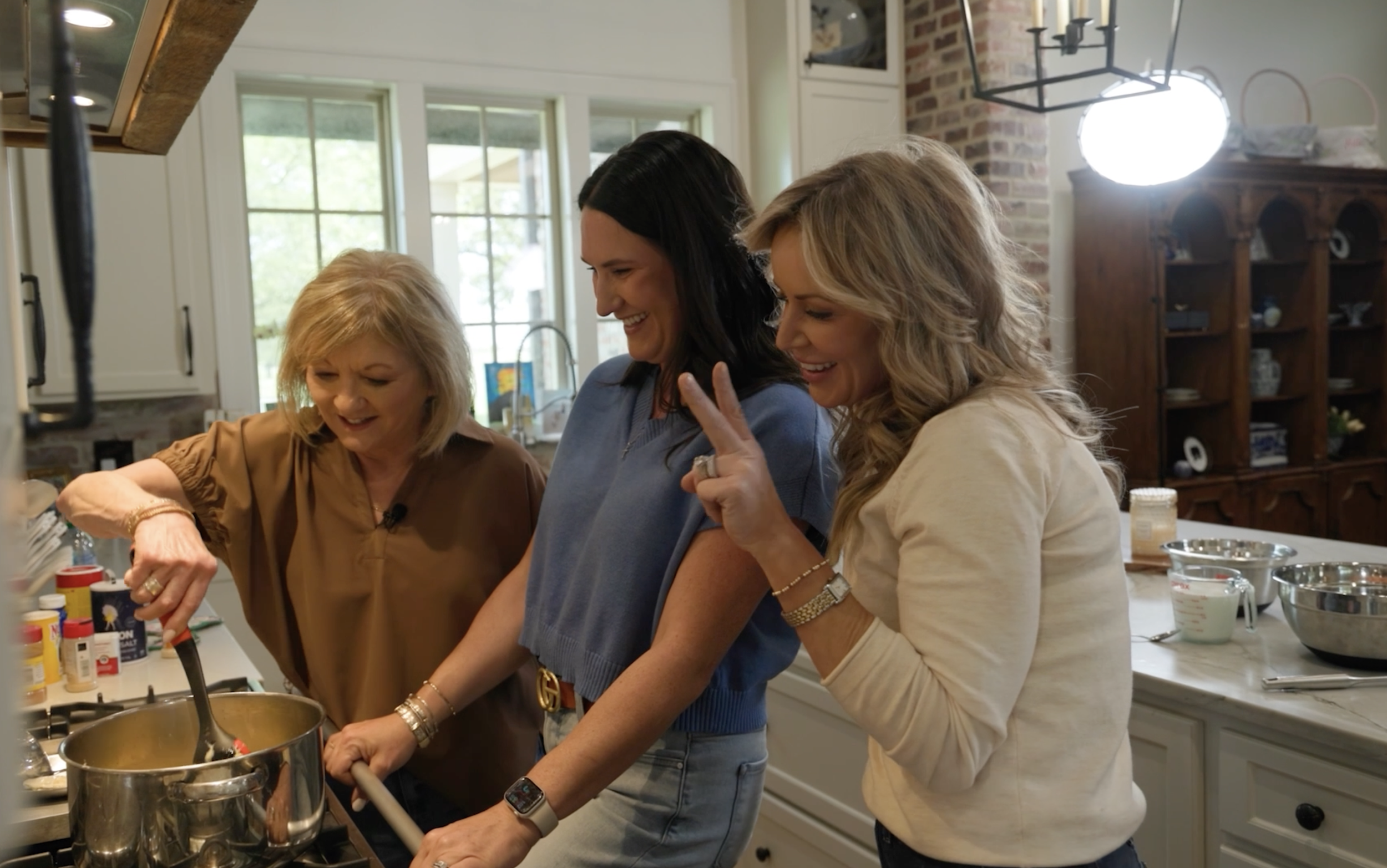
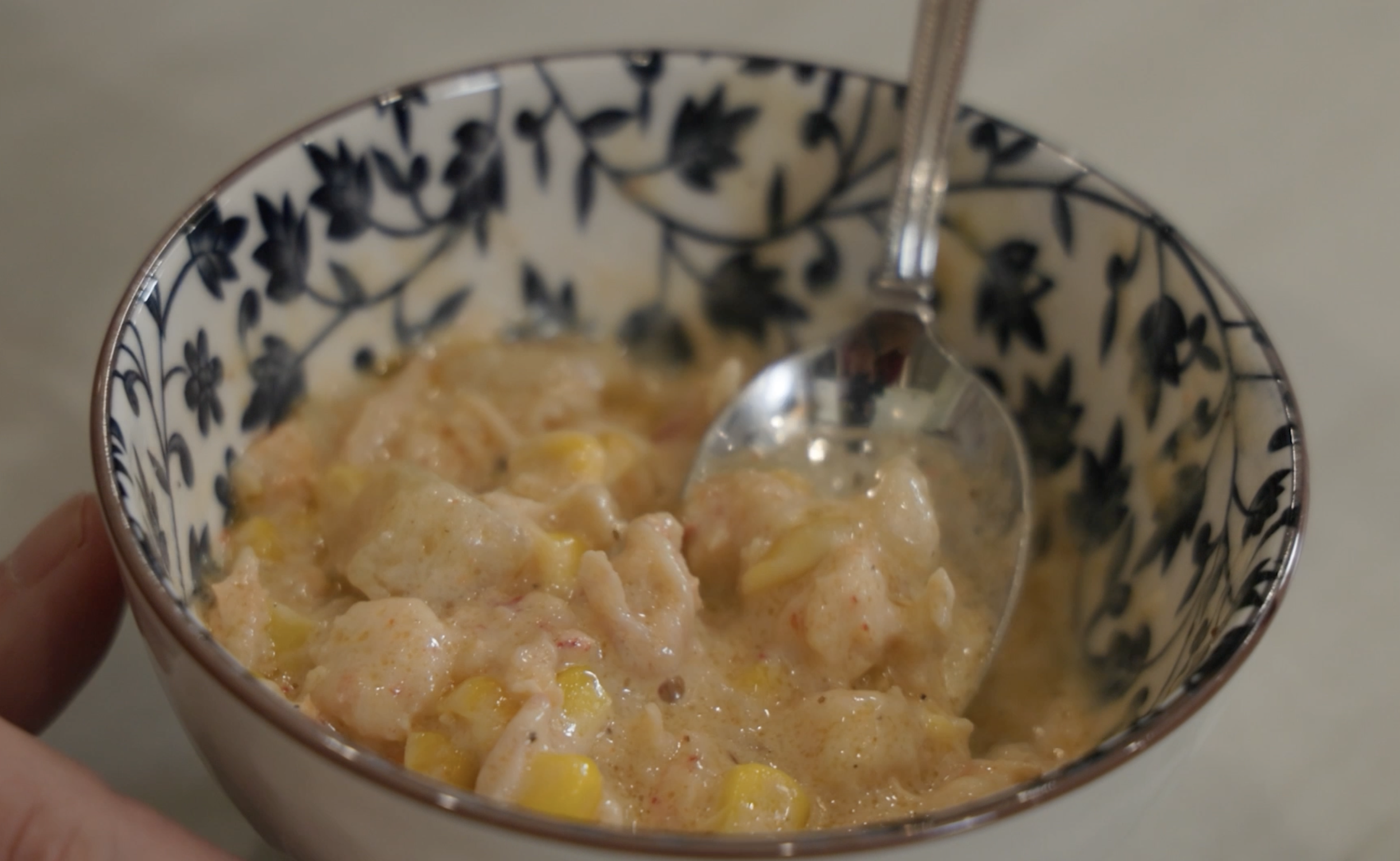
Their dish of choice on this cold day: a hearty crawfish, corn & potato soup.
Like many Cajun recipes, the process relies less on exact measurements and more on instinct—seasoning “until it feels right,” and building flavor layer by layer. The result is a dish that reflects both the ingredients and the people behind it.
For the Benson family, crawfish farming is more than a job; it’s a way of life.
It’s early mornings, long days and hard work in challenging conditions. It’s adapting to markets, relying on a dedicated workforce and making the most of every opportunity.
And at the end of it all, it’s gathering around the table.
Because in Louisiana, crawfish isn’t just something you eat. It’s something that connects people: to the land, to their livelihoods and to each other.
So, the next time you sit down at a crawfish boil, take a moment to consider what it took to get there.
The cold mornings.
The physical labor.
The people behind the process.
From pond to pot, every crawfish tells a story.
And it’s one worth sharing.